In 2026, the “Year of the Fire Horse” has brought rapid economic shifts. With housing costs remaining high and inflation fluctuating, the old advice of “just save more” feels out of touch for those earning a minimum wage.
However, an emergency fund isn’t just a luxury; it is your financial armor. When you are living on a tight budget, one car repair or medical bill can lead to a debt spiral. Here is how to strategically build a 6-month cushion, even when every dollar is already spoken for.
1. Redefine “6 Months” for Your Reality
The standard advice is to save six months of income. For a minimum wage earner, that goal can feel so large it becomes discouraging.
The 2026 Pivot: Focus on six months of “Survival Expenses,” not income.
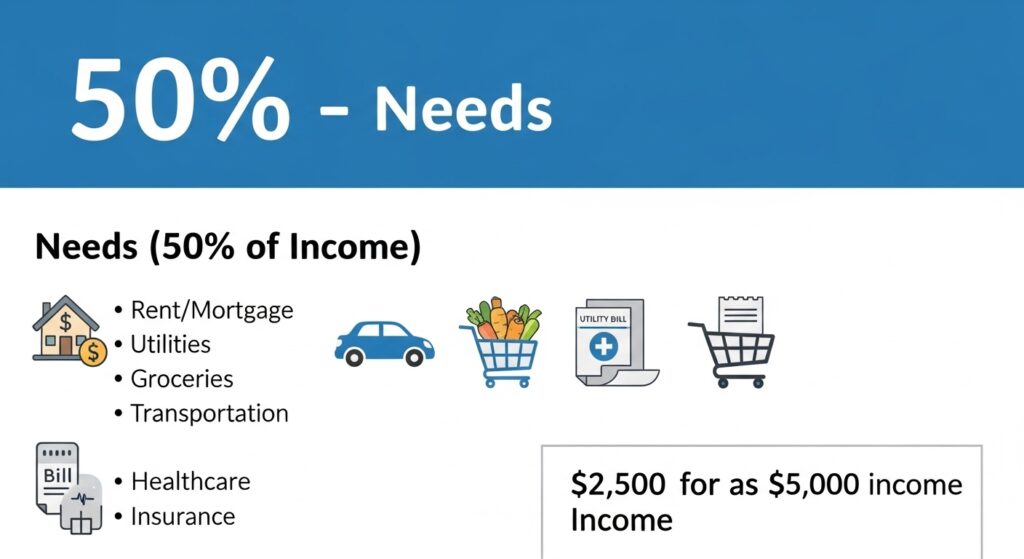
- Needs Only: Calculate only what you need to keep the lights on and food on the table (Rent, Utilities, Basic Groceries, Insurance).
- The Math: If your survival expenses are $1,800/month, your target is $10,800.
- The Micro-Goal: Start by aiming for $1,000. Statistically, a $1,000 buffer prevents 80% of common financial “emergencies” from turning into high-interest credit card debt.
2. Leverage “Financial Gymnastics”
In our recent feature on 2026 trends, we discussed Financial Gymnastics—the art of extreme short-term trade-offs.
- The “Mid-Week Blackout”: Commit to zero spending from Tuesday to Thursday. No convenience snacks, no digital micro-transactions, no paid transport if walking is an option.
- The Direct Result: Even saving $15 a week through “blackouts” puts $780 a year into your fund. On a minimum wage, this is the equivalent of a small raise you gave yourself.
3. High-Yield “Stabling” (Where to Put the Money)
In 2026, keeping your emergency fund in a standard checking account is a mistake. You are losing money to inflation.
- HYSA (High-Yield Savings Accounts): Look for accounts offering 4.5% to 5.2% APY.
- The “Bucket” Strategy: Use a bank (like Ally or SoFi) that allows “Buckets.” Label one “The Great Wall”—this is your emergency fund. Seeing the progress visually makes you less likely to “borrow” from it for non-emergencies.
4. Harvest “Hidden” Cash Flows
When your hourly rate is fixed, you must look for “one-time” windfalls to supercharge your fund:
- Tax Refunds & Credits: In 2026, the Earned Income Tax Credit (EITC) remains a vital tool. Commit 50% of your tax refund directly to your emergency fund before you even see it.
- The “Ghost” Audit: Use an AI subscription manager to find and kill “ghost” subscriptions. That $11.99 streaming service you forgot about is $143 a year—nearly 15% of your first $1,000 goal.
- Bank Bonuses: Many banks in 2026 offer $200–$300 bonuses for opening a new account with direct deposit. Use your paycheck to trigger the bonus, move the bonus to savings, then close the account if necessary.
5. The “Round-Up” Automation
Psychologically, it’s easier to save cents than dollars.
- The Habit: Use apps or bank features that round up every purchase to the nearest dollar and move the change to your “Great Wall” bucket.
- Why it works: It’s “invisible” saving. If you make 40 transactions a month, you could effortlessly save $20–$30 monthly without feeling the sting.
6. Protect the Fund from the “Fire Horse” Impulse
The 2026 Fire Horse energy promotes impulsive “galloping.” You will be tempted to use your savings for a “once-in-a-lifetime” sale or a friend’s trip.
The Rule of Three Questions: Before touching the fund, ask:
- Is it Unexpected? (A car breakdown is; a holiday gift is not.)
- Is it Necessary? (Medical care is; a phone upgrade is not.)
- Is it Urgent? (A leaking roof is; a worn carpet is not.)
Summary: The Minimum Wage Roadmap
| Phase | Milestone | Action |
| Phase 1 | $500 | Cancel 2 subscriptions + 1 month of “Mid-Week Blackouts.” |
| Phase 2 | $1,000 | Add 50% of your next tax refund or work bonus. |
| Phase 3 | 3 Months | Automate $25 per paycheck into a 5.0% APY account. |
| Phase 4 | 6 Months | Direct all “found money” (gifts, side hustles) to the fund. |
Building an emergency fund on a minimum wage isn’t about how much you make; it’s about the systems you put in place to protect what you keep.