Financial Gymnastics In 2026, the budgeting landscape has shifted from rigid spreadsheets to a more agile, creative, and psychologically driven approach known as “Financial Gymnastics.” This trend has become the most popular budgeting method of the year because it acknowledges a hard truth: in a high-inflation, fast-paced economy like the Year of the Fire Horse, people refuse to choose between financial security and personal joy.
🤸 What is “Financial Gymnastics”?
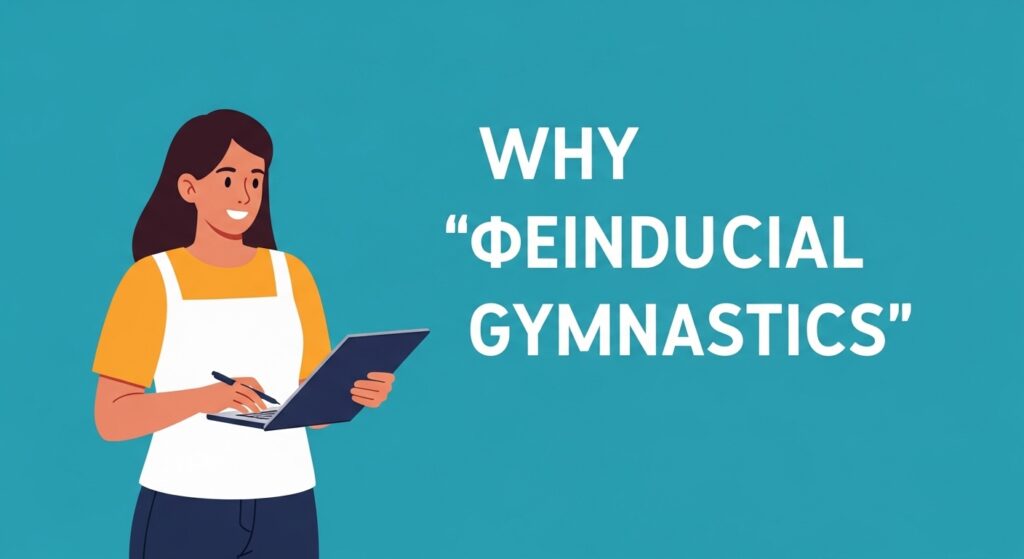
Financial Gymnastics is a strategic, high-flexibility budgeting style where consumers “flex” and “stretch” their spending to protect their lifestyle while still hitting savings goals. Unlike the traditional “No-Spend” movements of the past, this is about creative trade-offs.
The Core Philosophy: “I will live like a monk from Monday to Thursday so I can live like a king on Saturday.”
Key Characteristics of the Trend:
- The Weekly Pivot: Extreme frugality during workdays (home-cooked meals, no transit costs, zero impulse buys) to “fund” high-impact weekend experiences.
- Reward Maximization: Strategically juggling multiple credit cards, digital wallets, and loyalty apps to “earn” the cost of a luxury item through points and cash-back “gymnastics.”
- Value-Based Allocation: Cutting “passive” spending (unused subscriptions, premium insurance tiers, or convenience fees) to reallocate that money into “active” joy (travel, wellness, or “biohacking”).
📈 Why it’s Dominating 2026
1. The “Joy Factor” Priority
According to 2026 consumer reports from Intuit and MoneyLion, 38% of Americans now cite “Joy” as the leading driver of their spending—ranking higher than security or convenience. Financial Gymnastics allows people to indulge in “treat culture” without the guilt of debt, as every splurge is “covered” by a deliberate cut elsewhere.
2. The Rise of “Loud Budgeting”
Financial Gymnastics is the practical execution of Loud Budgeting. Instead of quietly struggling, people are openly sharing their “gymnastics” routines on social media: “I’m skipping my $7 daily latte for three weeks so I can afford the front-row tickets to the Fire Horse Music Festival.” This transparency has made strategic deprivation feel like a “win” rather than a sacrifice.
3. AI-Powered Agility
In 2026, we are no longer guessing our balances. Modern banking apps now feature “Hyper-Personalized Nudges” and AI agents that handle the “gymnastics” for us. These tools can automatically:
- Identify “leaks” in your subscription spending.
- Move “found money” from a cheaper grocery trip directly into a travel vault.
- Calculate exactly how many days of “frugal living” you need to afford a specific goal.
⚖️ Financial Gymnastics vs. Traditional Budgeting
| Feature | Traditional (50/30/20) | Financial Gymnastics |
| Structure | Fixed Monthly Percentages | Fluid Weekly Sprints |
| Mindset | Discipline through Restriction | Discipline through Trade-offs |
| End Goal | Wealth Accumulation | Life Satisfaction + Stability |
| Primary Tool | Spreadsheet/Static App | AI-Driven Real-Time Tracking |
💡 How to Start Your Own “Gymnastics” Routine
If you want to ride the 2026 trend on https://www.google.com/search?q=YourFinanceRates.com, follow these three steps:
- Identify Your “Apex Goal”: Pick one high-cost experience or item that would bring you the most joy this quarter (e.g., a $1,200 wellness retreat).
- Audit Your “Passive Leaks”: Use an AI tool to find at least $200 in recurring monthly costs you don’t actually value.
- The “Mid-Week Fast”: Commit to four “Zero-Spend Days” per week. Transfer the money you would have spent on lunch or coffee into a dedicated “Joy Vault.”
Conclusion
Financial Gymnastics is the ultimate response to the 2026 economy. It proves that you don’t have to choose between being “fiscally responsible” and “living your best life.” By mastering the art of the strategic pivot, you can maintain your financial health without sacrificing your happiness.